Full Stack Python Programming Course
9000+
Professionals Trained
300+
Trainers
8000+
Students Placed
100+
Courses Offered
Duration
6 Months
Certificate
Yes
Live Project
Yes
Mode
Classroom/Online
🎯 Book Your Free Demo
Course Overview
Full-Stack Python Programming Course – Overview
A Full-Stack Python Development Course trains learners to build complete web applications — from the frontend (client-side) to the backend (server-side) and database layers.
This course combines Python programming, web development, frameworks, databases, APIs, deployment, and real-world project building.
1. Course Objective
By the end of the course, learners will be able to:
Build dynamic web applications using Python.
Create responsive user interfaces using HTML, CSS, JavaScript, and modern UI frameworks.
Develop REST APIs using Python frameworks like Django or Flask.
Work with SQL & NoSQL databases.
Deploy full-stack applications on cloud platforms.
Follow industry-level version control, coding standards, and architecture patterns.
2. Ideal For
Beginners who want to become full-stack developers
Students preparing for software developer roles
Professionals switching to Python-based development
Entrepreneurs wanting to build their own products
3. Course Duration
Can be designed as:
3 Months – Fast-track
6 Months – Intermediate + project-focused
9 Months – Advanced + cloud + DevOps + extra projects
4. What Students Will Learn
A. Frontend Development
HTML5
Tags, forms, semantic structure
CSS3
Flexbox, Grid, animations, responsive UI
JavaScript (ES6+)
DOM, events, functions, async programming
Frontend Framework (optional)
React.js or Angular (optional based on course design)
B. Core Python Programming
Python Basics
Data types, loops, functions
OOP concepts
File handling
Modules & packages
Error handling
C. Backend Development (Python Frameworks)
Choose one or cover both:
Flask
Routing
Templates (Jinja2)
API development
Middleware
Django
MVT architecture
Django ORM
Authentication
Admin panel
REST API with Django REST Framework
D. Database Layer
SQL Databases
MySQL / PostgreSQL
Queries, joins, stored procedures
NoSQL Databases
MongoDB basics
CRUD operations
E. API Development
REST API fundamentals
JSON, Postman
API authentication (Token/JWT)
Integrating frontend ↔ backend
F. Tools & Dev Practices
Git & GitHub
VS Code / PyCharm
Virtual environments
Debugging techniques
Unit testing
API documentation (Swagger/OpenAPI)
G. Deployment & DevOps Basics
Deploy backend on Render / Railway / AWS / DigitalOcean
Deploy frontend on Vercel / Netlify
Basic CI/CD
Docker (optional for advanced batch)
5. Capstone Projects
Learners will build 2–3 real-world projects:
Examples:
Student Management System
E-Commerce Store
Blog with Admin Panel
Social Media App
Task Management App (Trello Clone)
Job Portal
Chat Application
6. Outcome
After completing this course, learners can apply for roles such as:
Full-Stack Python Developer
Backend Python Developer
Django/Flask Developer
Frontend Developer (basic)
API Engineer
Software Engineer
- HTML
- HTML5
- CSS (Styling and Layouts)
- JavaScript
- Bootstrap & jQuery
- Word press
- React JS Fundamentals
- React JS Advanced
- My SQL
- Python (Core, Advanced, Frameworks)
- Advanced Python
- Python Frameworks (Django)
- Third-Party Tools
Top Blog Posts



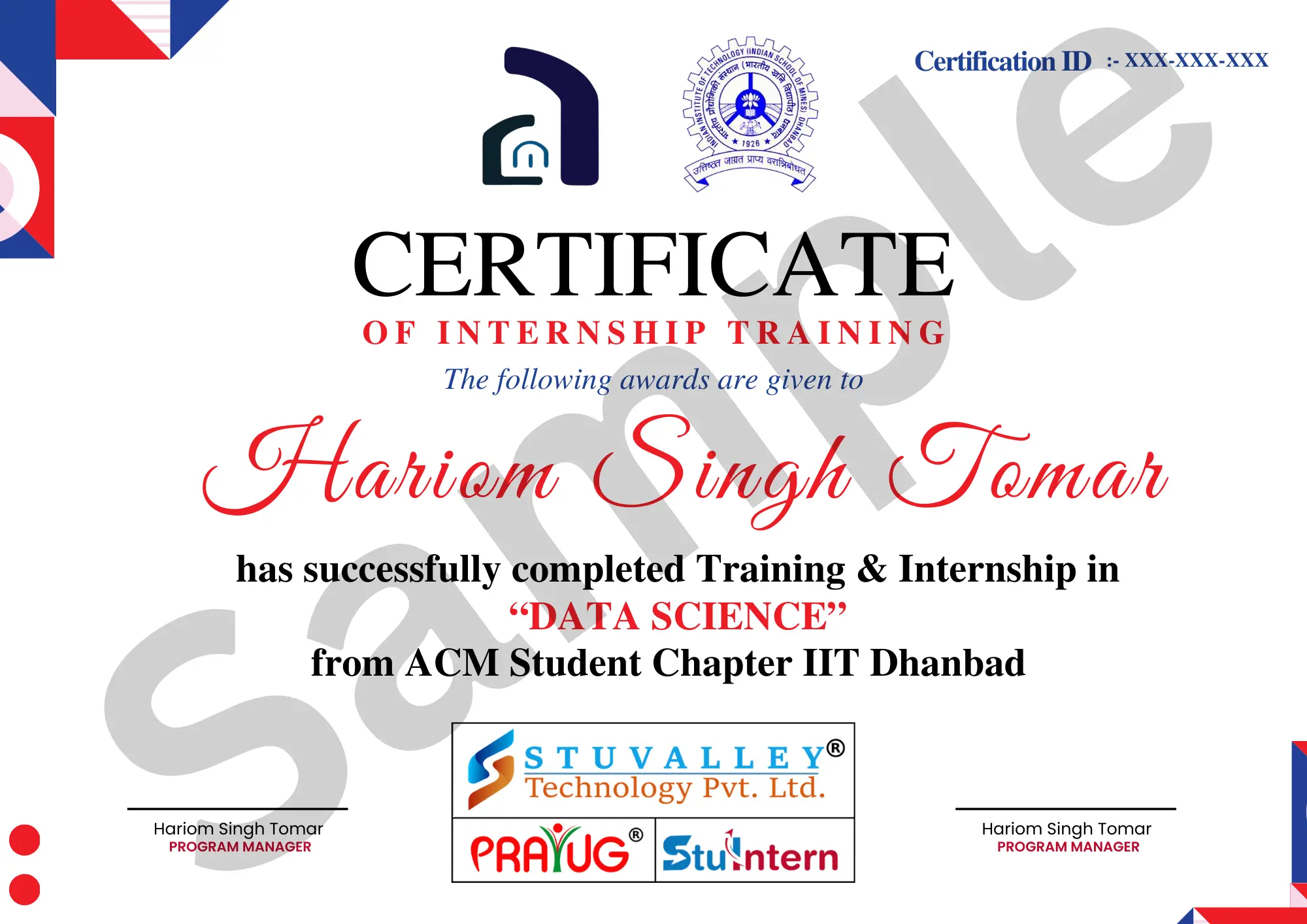
Benefits Of A Prayug Certificate
Build credibility, boost your profile, and unlock new opportunities.

Certify Your Skills
A CPD accredited Prayug Certificate certifies the skills you’ve learned.

Stand Out From The Crowd
Add your Prayug Certification to your resumé and stay ahead of the competition.

Advance in Your Career
Share your Prayug Certification with employers to show your capabilities.